Home REPORTS Senegal Report
REPORTS

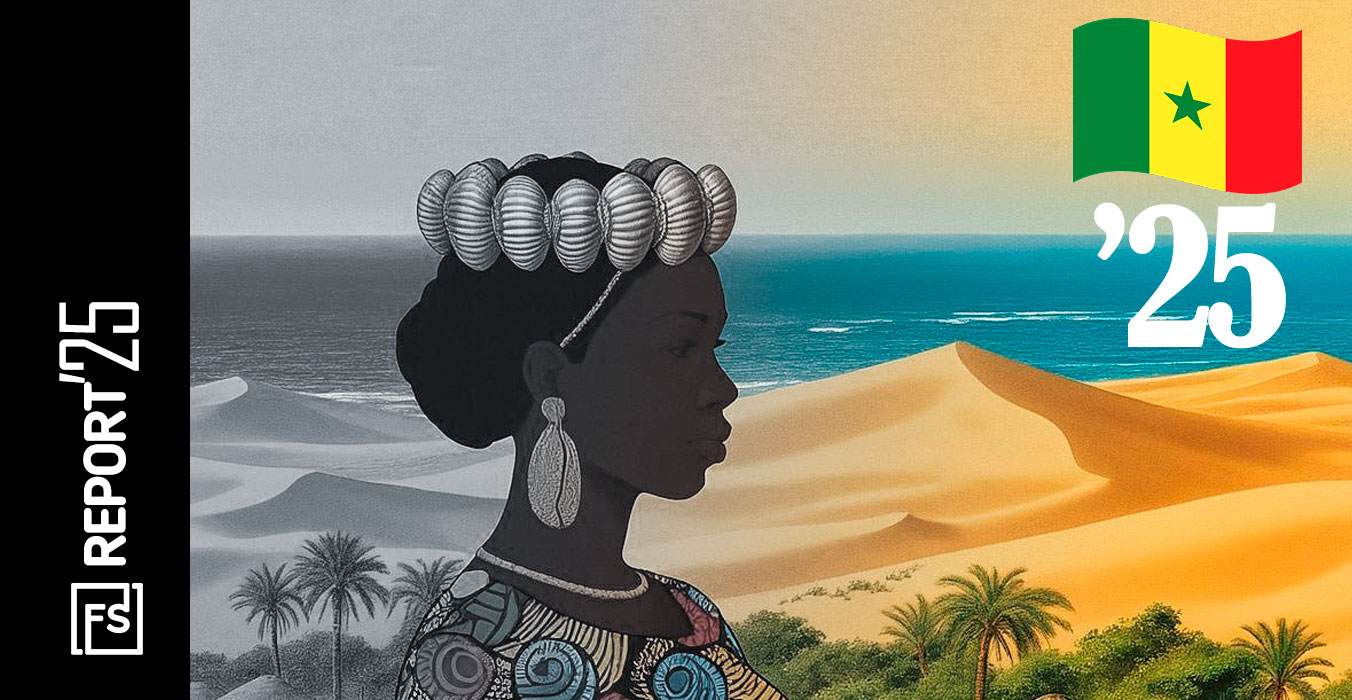
Senegal Report

Why Senegal may be considered a “fragile / at-risk state”.

Senegal is often viewed as relatively stable in West Africa, but it still faces structural vulnerabilities that may push it toward fragility:

Rising public debt and fiscal pressures: in recent years, Senegal’s fiscal deficit has widened, and revenue shortfalls undermine its ability to finance essential services.

Regional security threats and internal tensions: the Casamance region has long been a hotspot of separatist conflict, and spillovers from Sahel insurgencies create security risks.

Institutional weaknesses and governance challenges: Despite democratic processes, there are concerns about transparency, arbitrary detention, and concentration of executive power.

Economic dependence and exposure: A significant share of the population remains vulnerable to agricultural risks (droughts, floods), commodity price shocks, and external demand fluctuations.

Geographical location :
A country in West Africa, with Atlantic coastline. It borders Mauritania to the north, Mali to the east, Guinea and Guinea-Bissau to the southeast and southwest, and almost encloses The Gambia, which runs like a corridor along the Gambia River bisecting Senegal’s south into Casamance region.

(Senegal also shares a maritime border with Cape Verde).
Population (thousands, 2024)
~ 0

(i.e. 18,385,000)
(2023 estimate ~18.38 million)

GDP per capita (2024)
~ USD 0

Note. PPP per capita: ~ USD 4,496 (various estimates)

Quality of life indicators

Human Development Index (HDI, UNDP)
23%
Life expectancy
43%
Infant and maternal mortality rates
79%
Accessibility and quality of education
18%
Access to clean water and sanitation
13%
Food security level
27%
Index of happiness and well-being of the population
16%

Official INFO:

You can view the documents offline. Please leave your feedback or provide any information we haven’t provided.

Written by
FSpub

Content management, producing a series of regular analytical reports and scientific publications with practical recommendations for international organizations, donor governments, and recipient countries.

    Add information/indicate an inaccuracy!

    Collecting and verifying statistical data for this country is complicated by limited access to official statistics, frequent incomparability of methodologies across years and periods, and political restrictions on publishing information. We adhere to the principles of academic integrity and data reproducibility. If you have any clarifications, additional sources, or comments, please use the "Add information/indicate an inaccuracy" form.