Geographical location :
Inland country in Southern Africa, bordered by Democratic Republic of the Congo to the north, Tanzania to the northeast, Malawi to the east, Mozambique, Zimbabwe, Botswana to the south, and Angola to the west.
Official languages: English (official),
with many local languages (Bemba, Nyanja, Tonga, Lozi, among others)
Why Zambia might be considered a fragile / at-risk state.
Zambia displays a combination of structural vulnerabilities and governance challenges that could place it at risk of deeper fragility:
Economic dependence on commodities and external shocks: Zambia’s economy is heavily reliant on copper exports, making it vulnerable to volatility in global commodity prices.
Debt burden and fiscal stress: The country has faced debt distress and difficulty servicing external debt, which squeezes budgetary flexibility for social spending.
Weak public finance and revenue mobilization: Revenue-to-GDP ratios are relatively low, limiting state capacity to fund and maintain services across its territory.
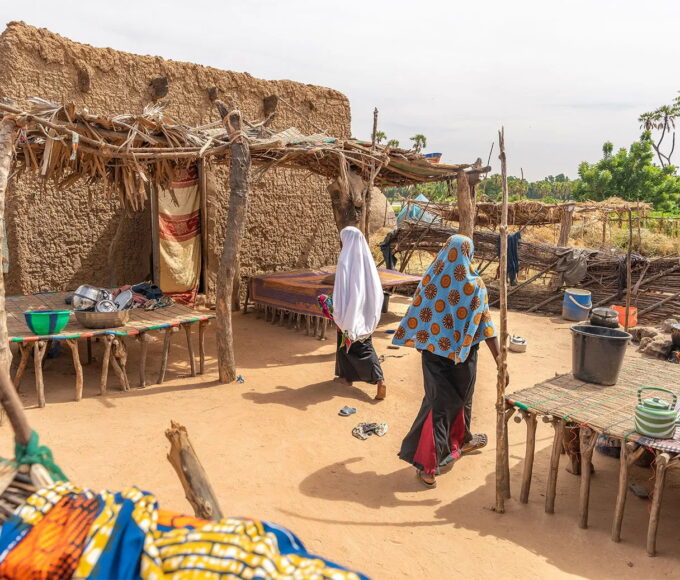
Inequality and uneven development: Rural areas often lack infrastructure, service delivery (health, education, water), and connectivity.
Environmental and climatic risks: Recurrent droughts, floods, and climate variability strain agriculture, energy (hydropower), and food security.
Institutional fragility and governance challenges: Corruption, weak accountability, and institutional capacity constraints hamper effective governance and the social contract between state and citizens.