Geographical location :
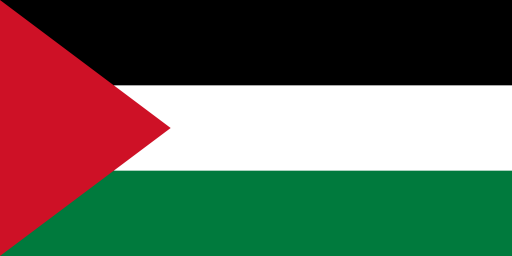
The territories consist of the West Bank (landlocked, bordered by Jordan to the east and Israel to the north, west, and south) and the Gaza Strip (coastal enclave bordering Israel to the north and east, and Egypt to the southwest).
Why West Bank & Gaza are often considered fragile / semi-failed territories.
The West Bank and Gaza face a unique and complex form of fragility rooted in geopolitical conflict, occupation, and institutional constraints:
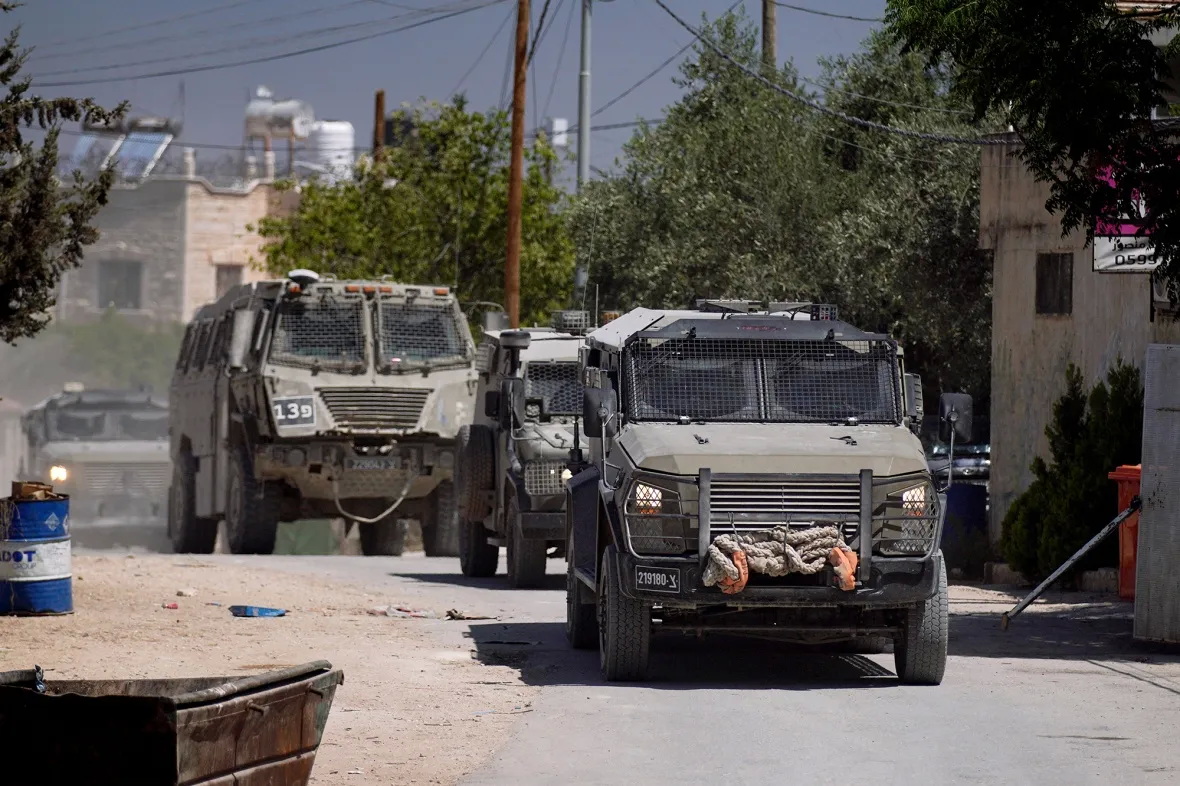
Restricted sovereignty and occupation: The territories are under varying degrees of Israeli military occupation and control. Movement, border access, trade, and resource use are heavily constrained. This severely limits the autonomy of Palestinian governing institutions.
Institutional fragmentation: Governance is divided between the Palestinian Authority (in parts of the West Bank) and Hamas / de facto authorities in Gaza. This factional split undermines coherent policy, administration, and development.
Economic collapse and external dependence: Gaza’s economy is in severe distress — unemployment rates have surged (approaching ~ 80 %) amid blockades, destruction, and collapse of trade.
Reuters
The West Bank has also experienced contractions under restrictions and shocks.
Weak capacity in baseline services: Many essential services (electricity, water, sanitation, health) rely on donor support, cross-border trade, and imported inputs. Local infrastructure is fragile and often disrupted by conflict.
Chronic humanitarian crises: Recurrent conflict, displacement, infrastructure destruction, and limited access to aid exacerbate distress.
Fragile social contract and legitimacy: Political legitimacy is contested, public trust eroded by corruption and inability to deliver services under constraints.