Geographical location :
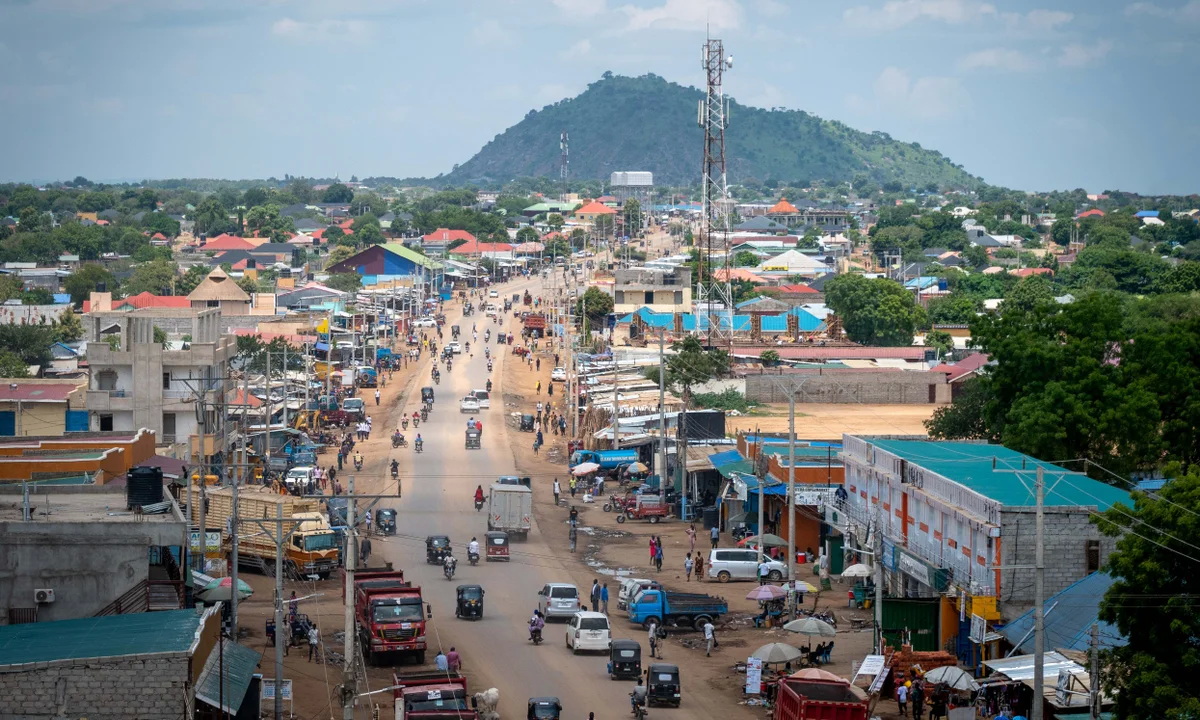
Landlocked country in East-Central Africa, bordered by Sudan to the north, Ethiopia to the east, Uganda to the south, Kenya to the southeast, the Democratic Republic of the Congo to the southwest, and the Central African Republic to the west.
Official languages: English (official)
Numerous national / local languages: Dinka, Nuer, Bari, Murle, Zande, Luo, Juba Arabic, others
Why South Sudan is considered a “failed / fragile state”.
South Sudan exemplifies many of the defining traits of state fragility:
Chronic conflict and weak control:
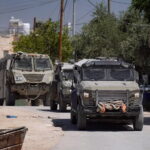
Since its independence (2011), the country has suffered frequent civil war between rival factions, especially between President Salva Kiir and Riek Machar, undermining stability and governance.
Dependence on oil with weak institutions:
Oil revenues form the lion’s share of government income (often over 90 %), making the state extremely vulnerable to price volatility and corruption.
Institutional weakness and corruption:
State institutions are weak; public finance management is fragmented and opaque. A UN report in 2025 accused the ruling elite of “systematic looting” of public funds while millions face hunger.
Human development deficits & humanitarian crisis:
Life expectancy is low (~ 58 years as of 2023). Over three-quarters of the population live under $3/day in past data (76.5 % in 2014)
World Bank Open Data.
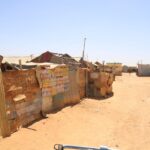
Access to electricity is minimal (~5.4 % of population). Many basic services (health, education, infrastructure) depend heavily on donor and humanitarian support.
Political fragility and weak social contract:
Elections have repeatedly been delayed; the government struggles with legitimacy and often delegates basic services to international actors.