
COUNTRIES

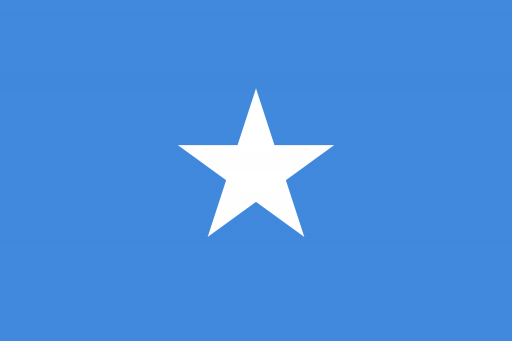
Somalia

Sponsored By

Geographical location :
Located in the Horn of Africa, bordered by Djibouti to the northwest, Ethiopia to the west, Kenya to the southwest, the Gulf of Aden to the north, and the Indian Ocean to the east.

Official languages: Somali, Arabic
Population (thousands, 2024)
~ 0

(i.e. 19,280,852)

GDP per capita (2024)
~ USD 0

nominal

Note: PPP per capita: ~ USD 1,600.76 (2024). World Scorecard

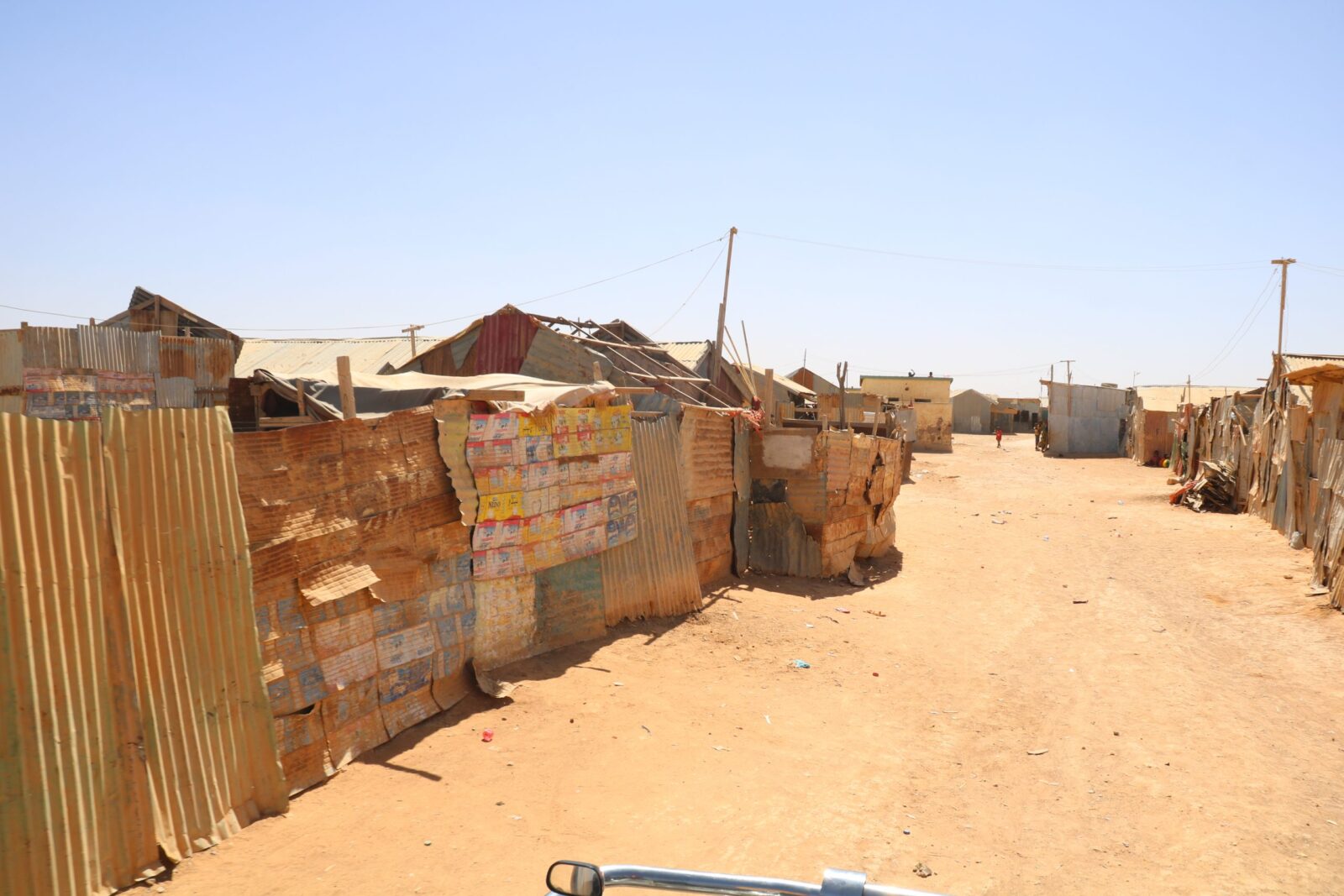
Why Somalia is a paradigmatic “failed / fragile state”.

Somalia remains one of the most archetypal cases of state failure and fragility. The central government’s authority is heavily contested. Al-Shabab continues to be a formidable insurgent actor, undermining security, limiting governance, and disrupting humanitarian access.

Multiple regions (especially in the south and center) are under the influence or control of militant groups such as Al-Shabab, which regularly carry out attacks and weaken state legitimacy.

State institutions are weak, revenue collection is minimal, and public service delivery is highly limited.

The ability to enforce laws, maintain order, or provide basic services is severely constrained.

Written by
FSpub

Content management, producing a series of regular analytical reports and scientific publications with practical recommendations for international organizations, donor governments, and recipient countries.

Related Articles

Senegal

Senegal is often viewed as relatively stable in West Africa, but it...

Niger

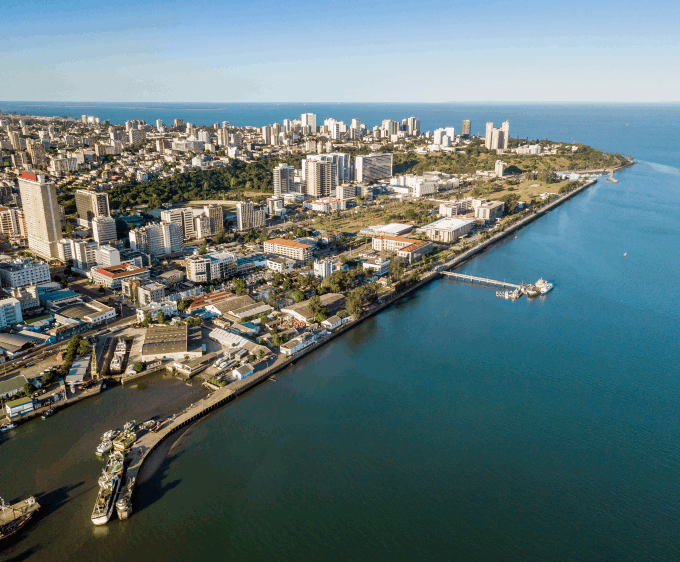
Mozambique exhibits multiple classic symptoms of state fragility: structural governance weaknesses, corruption...

Mozambique

Mozambique exhibits multiple classic symptoms of state fragility: structural governance weaknesses, corruption...

Mauritania

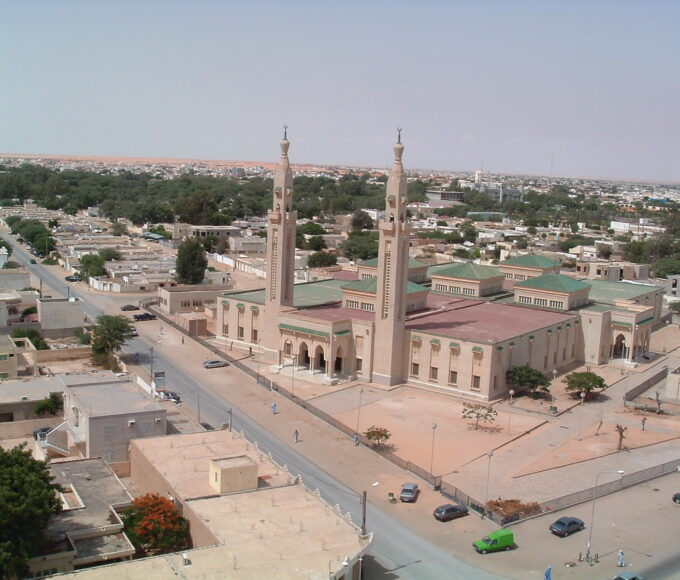
Mauritania displays multiple features of state fragility: concentration of power, weak institutional...

    Add information/indicate an inaccuracy!

    Collecting and verifying statistical data for this country is complicated by limited access to official statistics, frequent incomparability of methodologies across years and periods, and political restrictions on publishing information. We adhere to the principles of academic integrity and data reproducibility. If you have any clarifications, additional sources, or comments, please use the "Add information/indicate an inaccuracy" form.