
COUNTRIES

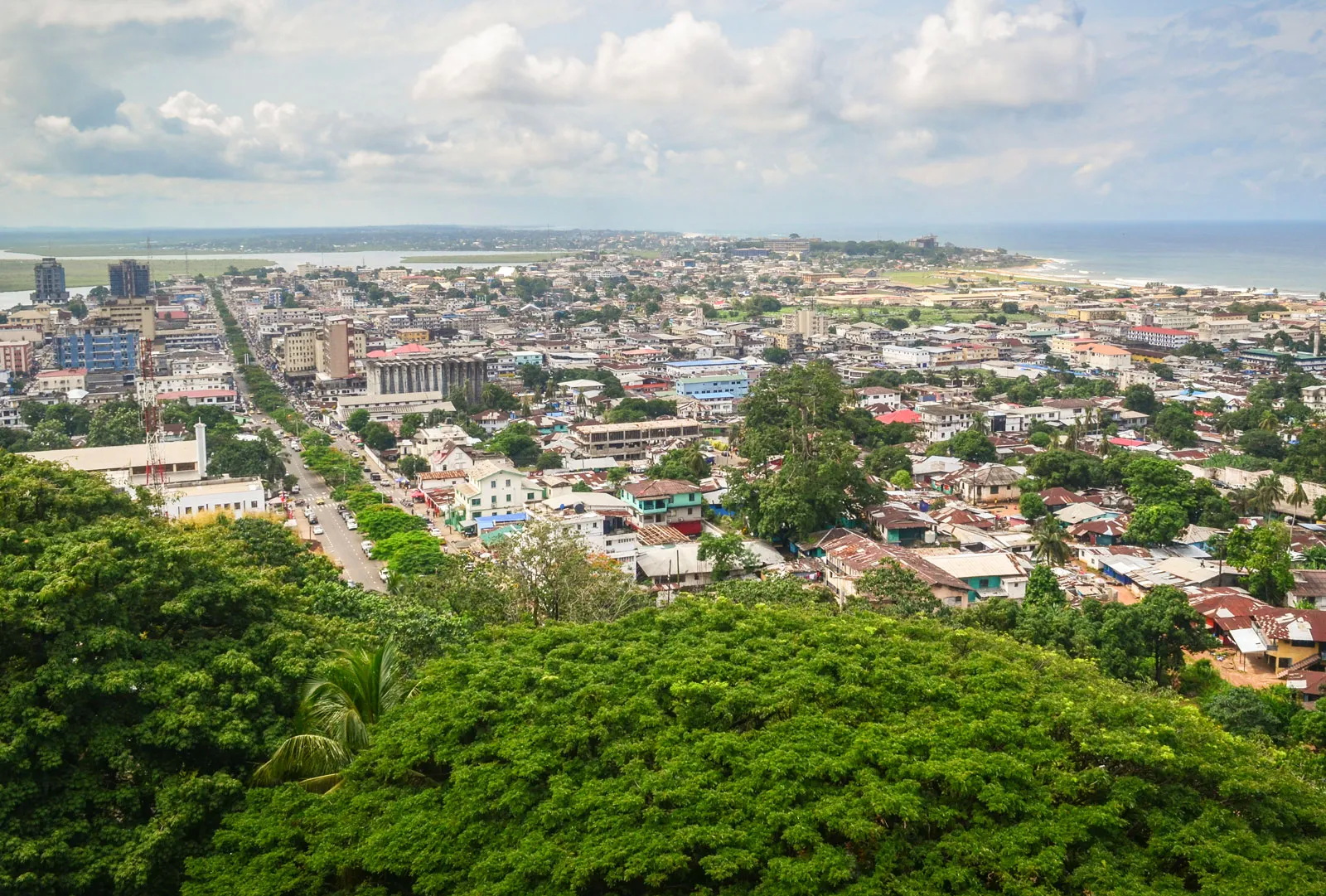
Liberia

Sponsored By
Official name: Republic of Liberia.

Geographical location :
A country in West Africa, bordered by Sierra Leone to the northwest, Guinea to the north, Côte d’Ivoire to the east, and the Atlantic Ocean to the southwest.

Official languages: English
Population (thousands, 2024)
~ 0

(i.e. 5,612,812)

GDP per capita (2024)
~ USD 0

nominal, current US$

Note. (constant 2015 US$): ~ USD 846.28

Why we consider Liberia a “failed / fragile state”.

Liberia exhibits many hallmarks of chronic state fragility: pervasive corruption, weak public services, and dependence on external aid. In the BTI 2024 report, Liberia is described as among the ten poorest countries globally, suffering from rampant corruption and lack of public goods.

After the Ebola epidemic and global shocks, growth has been volatile, and state capacity remains shallow.
Spatial governance is uneven: many rural and remote areas are effectively outside strong state control, and in informal mining zones, state presence is minimal.

Political elites frequently leverage state institutions for private gain; property rights and judicial enforcement are weak, and the justice system is dysfunctional.

Written by
FSpub

Content management, producing a series of regular analytical reports and scientific publications with practical recommendations for international organizations, donor governments, and recipient countries.

Related Articles

Senegal

Senegal is often viewed as relatively stable in West Africa, but it...

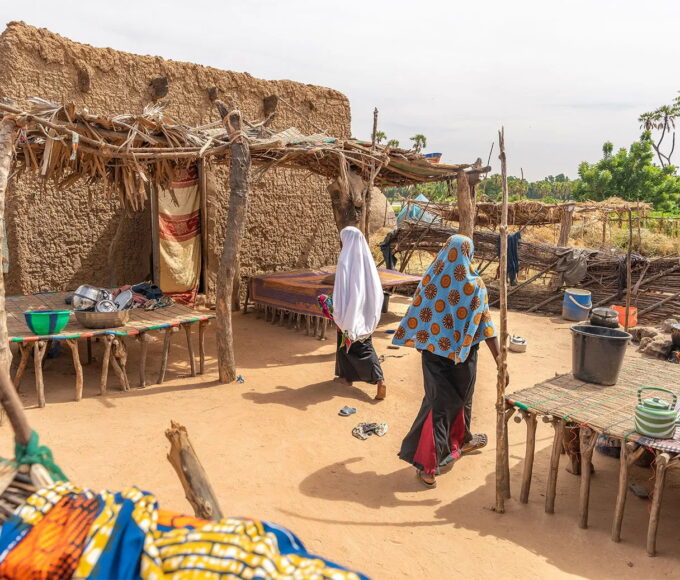
Niger

Mozambique exhibits multiple classic symptoms of state fragility: structural governance weaknesses, corruption...

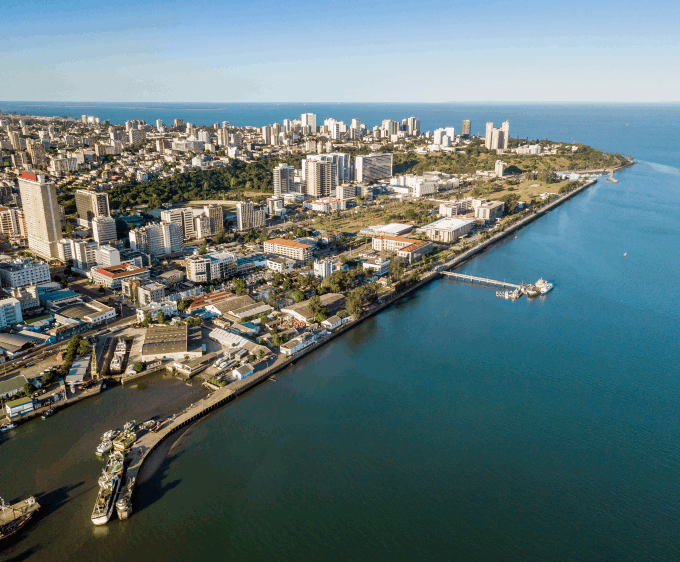
Mozambique

Mozambique exhibits multiple classic symptoms of state fragility: structural governance weaknesses, corruption...

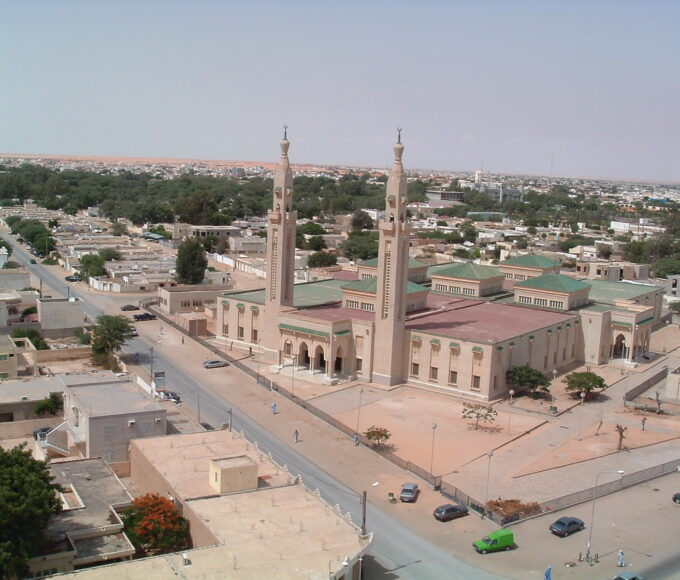
Mauritania

Mauritania displays multiple features of state fragility: concentration of power, weak institutional...


    Add information/indicate an inaccuracy!

    Collecting and verifying statistical data for this country is complicated by limited access to official statistics, frequent incomparability of methodologies across years and periods, and political restrictions on publishing information. We adhere to the principles of academic integrity and data reproducibility. If you have any clarifications, additional sources, or comments, please use the "Add information/indicate an inaccuracy" form.