
COUNTRIES

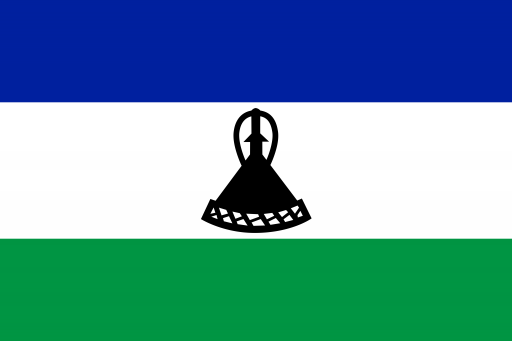
Lesotho

Sponsored By
Official name: Kingdom of Lesotho.

Geographical location :
Landlocked country entirely surrounded by South Africa, located in the mountainous region of Southern Africa.

Population (thousands, 2024)
~ 0

(i.e. 2,311,472)

GDP per capita (2024)
~ USD 0

nominal, current US$

Note. (constant 2015 US$): ~ USD 2,124

Why we consider Lesotho a “failed / fragile state” candidate.

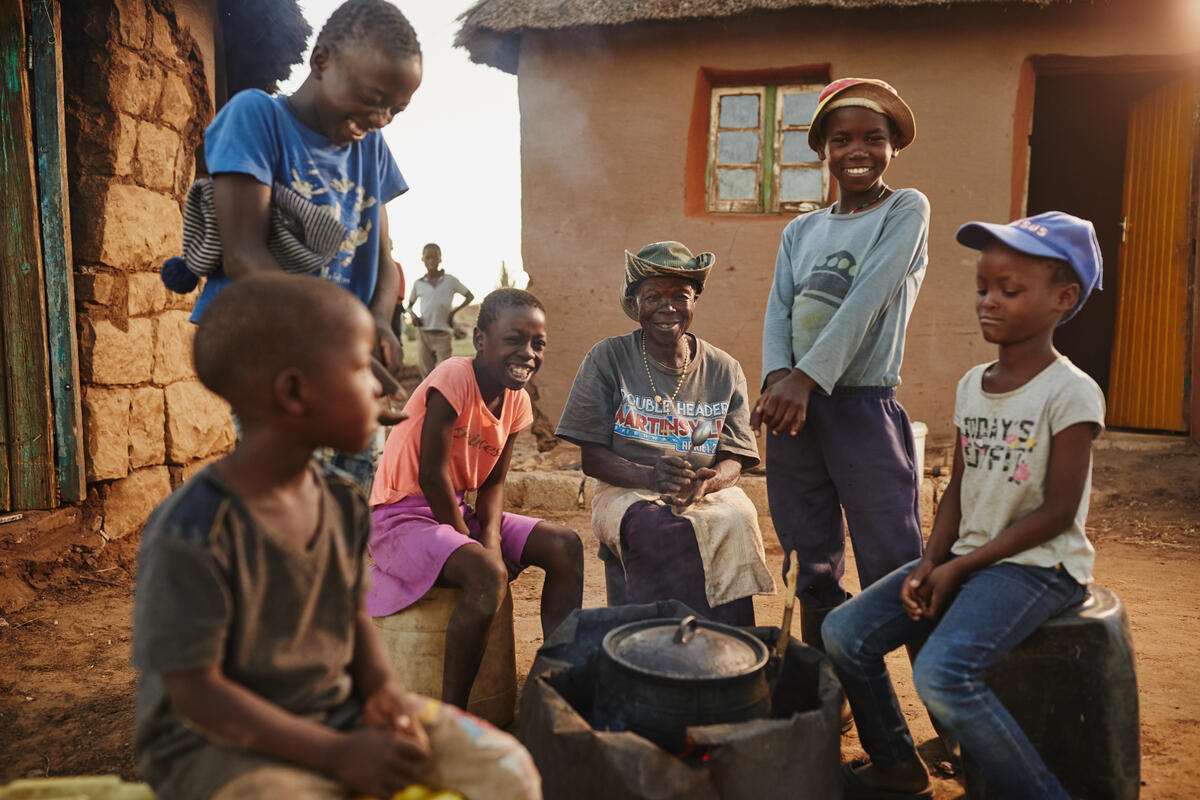
Lesotho exhibits structural fragility arising from its economic dependence, weak institutional capacity, and high crime/incidence of violence. According to the BTI 2024 report, Lesotho is recorded as having high rates of violent crime and limited capacity to enforce rule of law: “misuse of firearms is a prominent issue … lack of capacity to effectively combat illegal possession and use of arms” Also, only ~72.2 % of the population has access to water, ~50.3 % to basic sanitation, reflecting severe service delivery gaps.
Economically, Lesotho is heavily reliant on remittances and revenues from the Southern African Customs Union (SACU), making it vulnerable to external shocks and reducing incentives for diversified growth.

The country’s public sector struggles with inefficiency, while rural and remote areas remain under-served, and governance reforms have been partly rhetorical rather than fully implemented.

Written by
FSpub

Content management, producing a series of regular analytical reports and scientific publications with practical recommendations for international organizations, donor governments, and recipient countries.

Related Articles

Senegal

Senegal is often viewed as relatively stable in West Africa, but it...

Niger

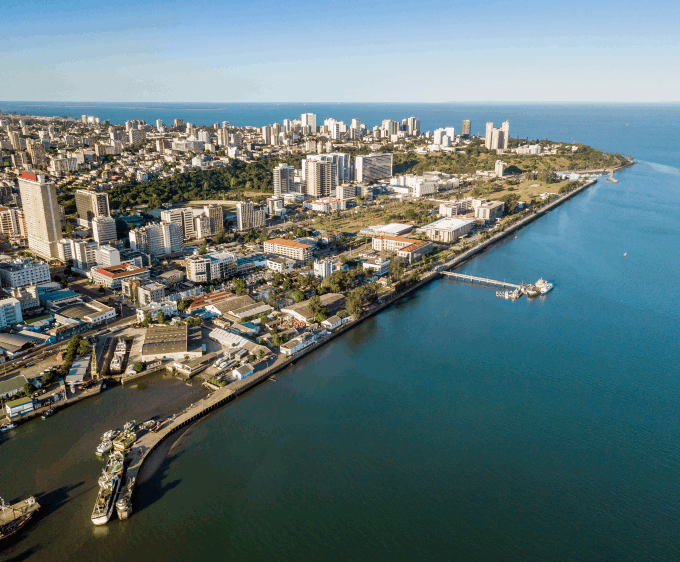
Mozambique exhibits multiple classic symptoms of state fragility: structural governance weaknesses, corruption...

Mozambique

Mozambique exhibits multiple classic symptoms of state fragility: structural governance weaknesses, corruption...

Mauritania

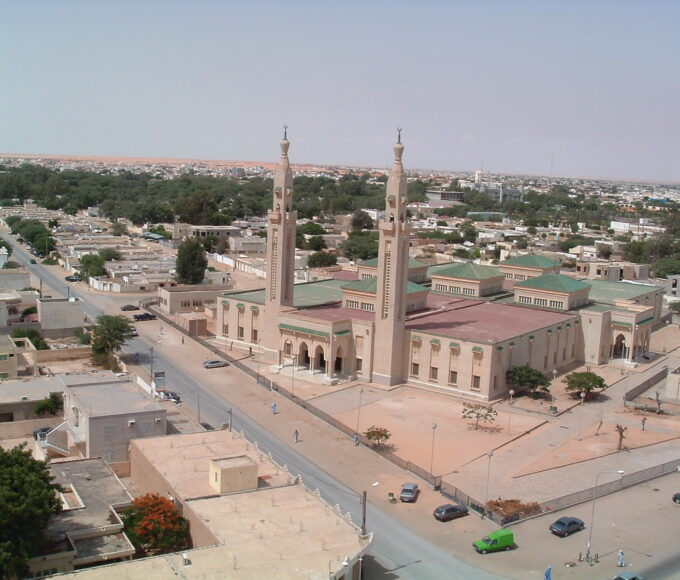
Mauritania displays multiple features of state fragility: concentration of power, weak institutional...


    Add information/indicate an inaccuracy!

    Collecting and verifying statistical data for this country is complicated by limited access to official statistics, frequent incomparability of methodologies across years and periods, and political restrictions on publishing information. We adhere to the principles of academic integrity and data reproducibility. If you have any clarifications, additional sources, or comments, please use the "Add information/indicate an inaccuracy" form.