
COUNTRIES

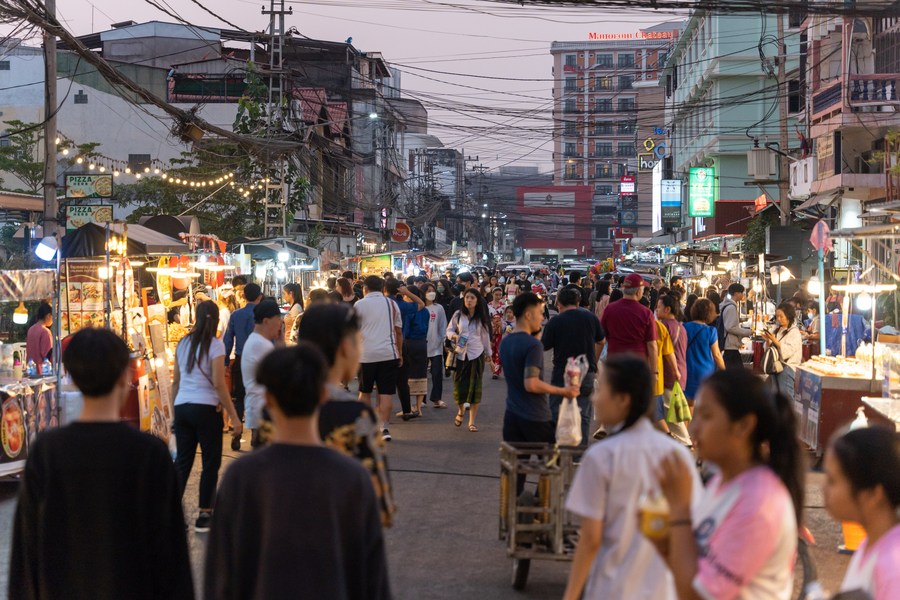
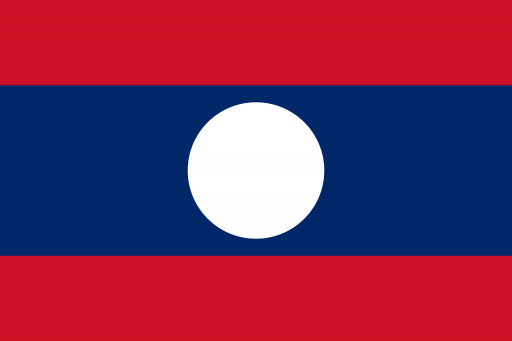
Laos

Sponsored By

Geographical location :
Landlocked state in Southeast Asia, bordered by China to the north, Vietnam to the east, Cambodia to the southeast, Thailand to the west, and Myanmar to the northwest.

Official languages: Lao (official)
Population (thousands, 2024)
~ 0

(i.e. 7,953,556)

GDP per capita (2024)
~ USD 0

nominal, current US$

Note. (constant 2015 US$): ~ USD 2,124

Why Laos might be considered a fragile/at-risk state

Laos operates under a single-party Leninist structure (Lao People’s Revolutionary Party), where formal elections lack genuine contestation, and executive control dominates over any institutional checks. (Conceptualising Party-State Governance, Tandfonline) The administrative and political apparatus is characterised by limited capacity and weak implementation, so that many reforms are announced but poorly executed. Corruption permeates public life: Laos ranked 126th out of 180 in the Corruption Perceptions Index (2022) — indicating serious integrity challenges. In the Fragile States Index 2024, Laos ranked #71 with a score of 73.8, reflecting rising fragility pressures. The country faces macroeconomic stress: high debt burden, inflation, currency depreciation, and dependency on external infrastructure financing (especially Chinese projects) increase its vulnerability to shocks.

Written by
FSpub

Content management, producing a series of regular analytical reports and scientific publications with practical recommendations for international organizations, donor governments, and recipient countries.

Related Articles

Senegal

Senegal is often viewed as relatively stable in West Africa, but it...

Niger

Mozambique exhibits multiple classic symptoms of state fragility: structural governance weaknesses, corruption...

Mozambique

Mozambique exhibits multiple classic symptoms of state fragility: structural governance weaknesses, corruption...

Mauritania

Mauritania displays multiple features of state fragility: concentration of power, weak institutional...


    Add information/indicate an inaccuracy!

    Collecting and verifying statistical data for this country is complicated by limited access to official statistics, frequent incomparability of methodologies across years and periods, and political restrictions on publishing information. We adhere to the principles of academic integrity and data reproducibility. If you have any clarifications, additional sources, or comments, please use the "Add information/indicate an inaccuracy" form.