Why Haiti is considered a “failed state”
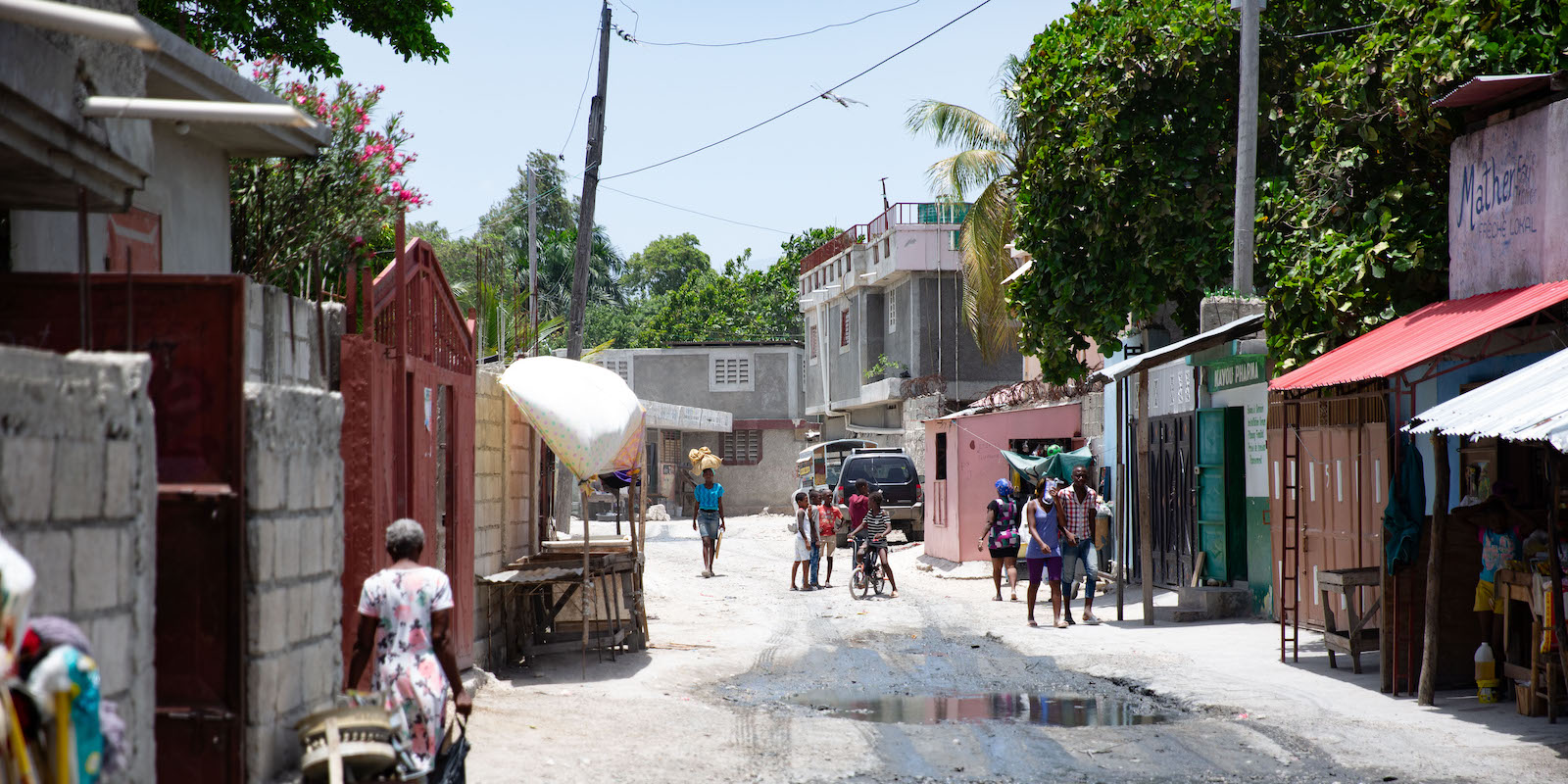
Haiti is often cited as one of the world’s most paradigmatic failed states: decades of weak governance, political instability, extreme poverty, natural disasters, and violent non-state actors have severely eroded state capacity.
According to BTI 2024, Haiti has experienced negative per capita growth for three consecutive years and declining PPP per capita values: from $3,203 to $3,095 to $3,127.
Meanwhile, in 2024 the economy contracted further amid gang violence, institutional collapse, and restricted mobility: the World Bank notes that over 1.3 million Haitians are internally displaced, and security challenges have greatly expanded areas under gang control.
2024 famine declaration underscores the humanitarian dimension: ~5.4 million people faced “crisis levels or worse” of food insecurity; ~5,636 deaths by starvation were reported.
Gang control over supply lines, state bankruptcy, and widespread impunity together render Haiti structurally incapable of fulfilling the basic functions of governance, placing it firmly in the category of failed or desiccated states.