
COUNTRIES

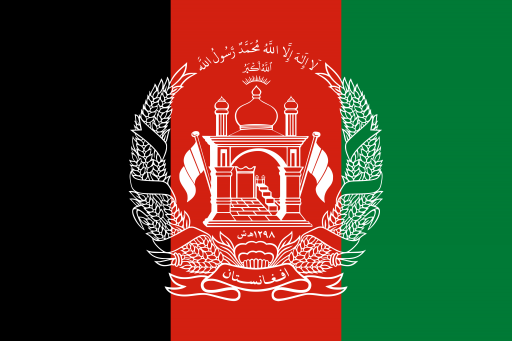
Afghanistan

Sponsored By
Geographical location : Landlocked country in South-Central Asia, bordering Pakistan to the east and south, Iran to the west, Turkmenistan, Uzbekistan, and Tajikistan to the north, and China via a narrow corridor to the northeast.
Official languages: Pashto, Dari (Persian)
Population (thousands, 2024)
~ 0

(i.e. 42,647.5 thousand)

GDP per capita (2024)
~ USD 0

(nominal, most recent official)
datacommons.org

Note: estimates vary; for 2023, nominal GDP per capita ~ USD 411 .

Why Afghanistan is considered a “failed state”

Afghanistan exemplifies the chronic failure of external state-building efforts. Despite massive international intervention post-2001, the country’s institutions remained dependent and fragile. As noted by Jennifer Brick Murtazashvili, the “bureaucratic legacies the country inherited from the Soviet era” remained intact and resisted reform, and the top-down institutional design did not embed legitimacy or resilience.

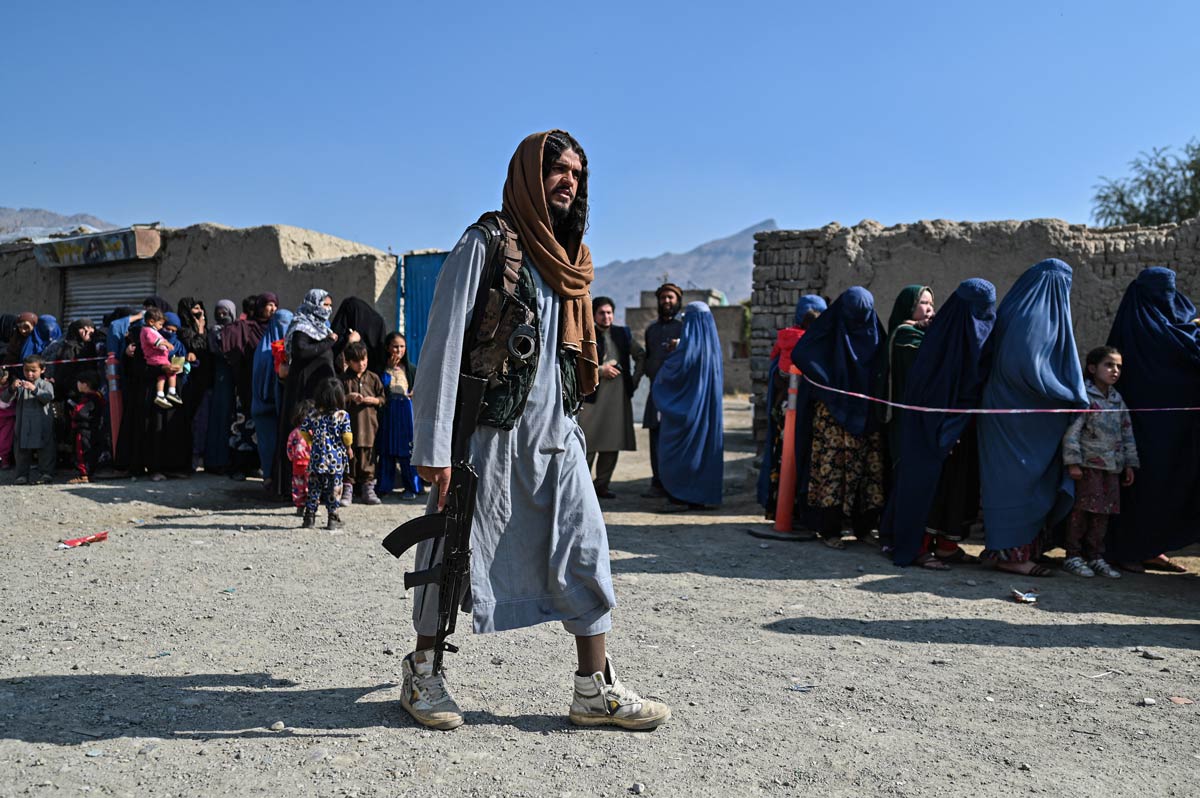
After the withdrawal of U.S. forces in 2021, the entire institutional scaffold collapsed almost immediately: provincial capitals fell in rapid succession, the national army melted away, and the Afghan state as previously structured ceased to function.
Moreover, governance was heavily centralized, unresponsive, and lacked accountability — such that the state lacked social penetration and legitimacy beyond Kabul

Written by
FSpub

Content management, producing a series of regular analytical reports and scientific publications with practical recommendations for international organizations, donor governments, and recipient countries.

Related Articles

Senegal

Senegal is often viewed as relatively stable in West Africa, but it...

Niger

Mozambique exhibits multiple classic symptoms of state fragility: structural governance weaknesses, corruption...

Mozambique

Mozambique exhibits multiple classic symptoms of state fragility: structural governance weaknesses, corruption...

Mauritania

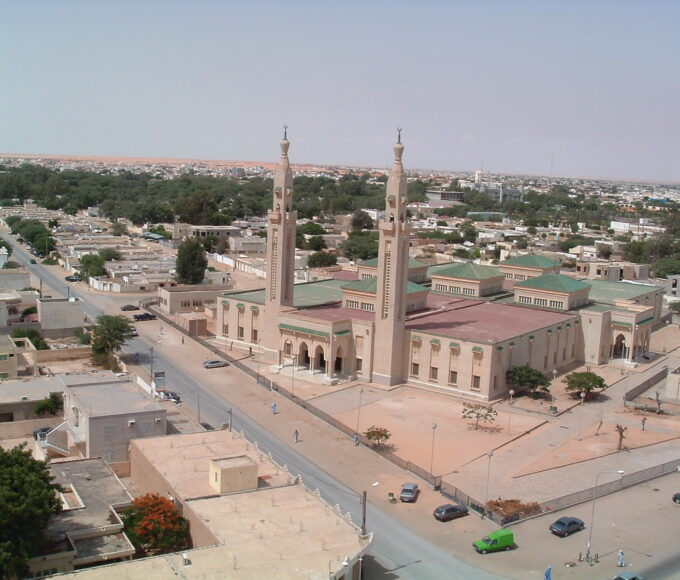
Mauritania displays multiple features of state fragility: concentration of power, weak institutional...

    Add information/indicate an inaccuracy!

    Collecting and verifying statistical data for this country is complicated by limited access to official statistics, frequent incomparability of methodologies across years and periods, and political restrictions on publishing information. We adhere to the principles of academic integrity and data reproducibility. If you have any clarifications, additional sources, or comments, please use the "Add information/indicate an inaccuracy" form.