COUNTRIES

Mali

Sponsored By
Official name: Republic of Mali.

Geographical location :
Landlocked country in West Africa. It is bordered by Algeria to the north, Niger to the east, Burkina Faso and Côte d’Ivoire to the south, Guinea and Senegal to the southwest, and Mauritania to the west.

Population (thousands, 2024)
~ 0

(i.e. 24,478,617)

GDP per capita (2024)
~ USD 0

nominal, current US$

Note. PPP: ~ USD 3,308.67

Why Mali is considered a “failed / fragile state”.

Mali exhibits deep fragility driven by multiple, interacting stressors: institutional weakness, violent conflict, climate vulnerability, and economic dependence.

Governance breakdown and recurrent coups have eroded legitimacy and central control. Large parts of the country, especially in the north, are under control (or contested control) of armed groups, limiting state reach.

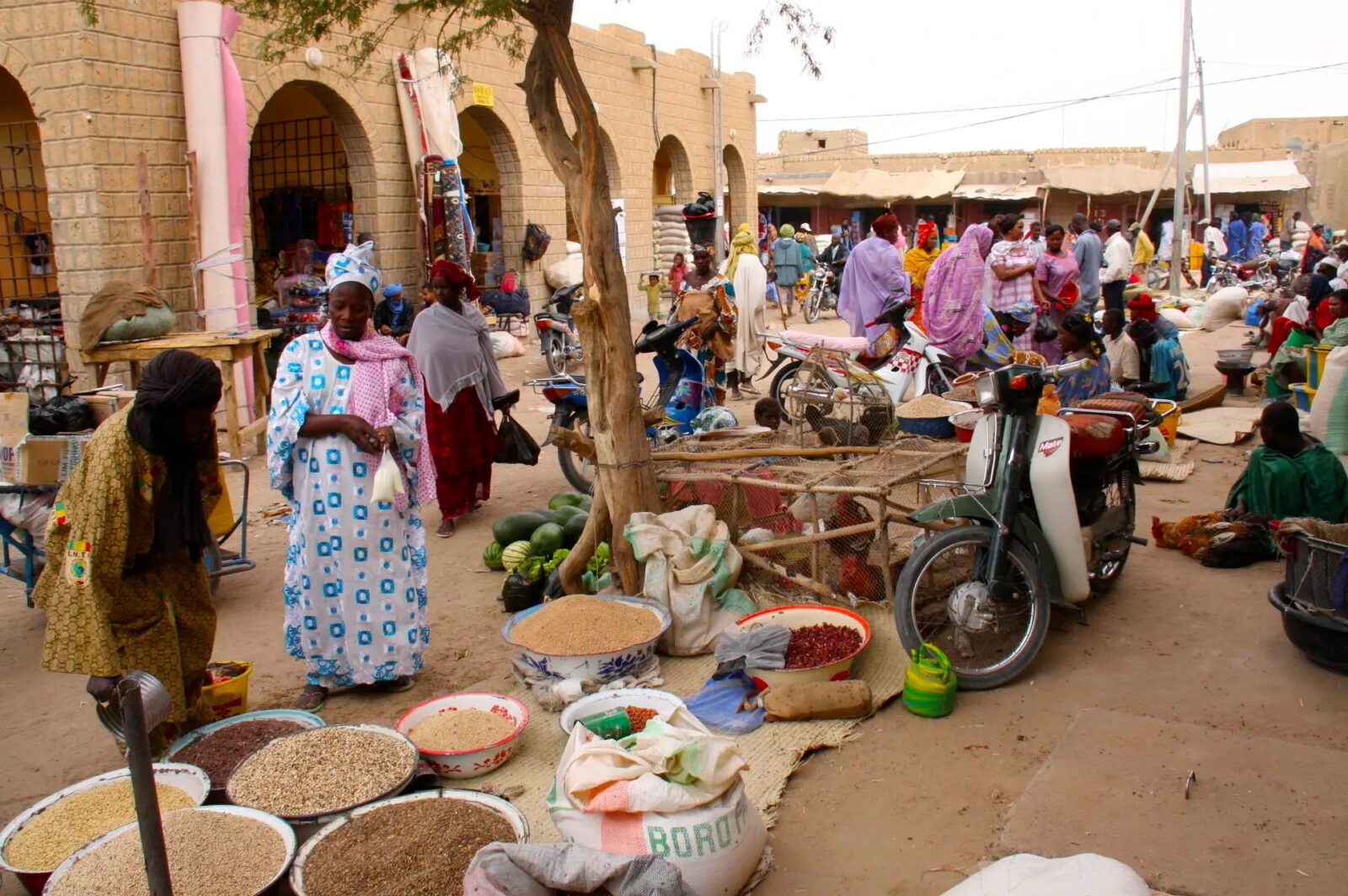
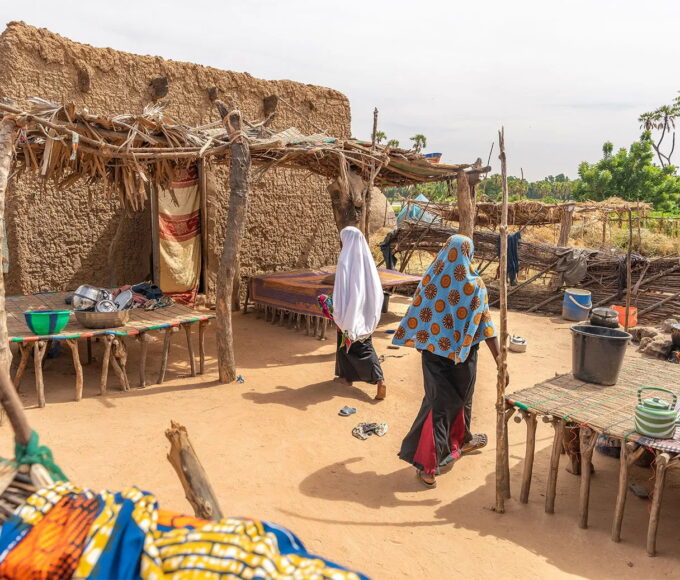
Economy is weakly diversified: agriculture (rain-fed) is dominant and vulnerable to climate shocks; over 80 % of livelihoods depend on agriculture and pastoralism.

Mali is highly exposed to climatic variability (droughts, flooding) which seriously affects food security and rural incomes.

Public revenue is low, state capacity is limited, and service delivery is poor across much of the territory. The state struggles to maintain infrastructure, health, education and security effectively.

Sources:WCS Via:WCS
Written by
FSpub

Content management, producing a series of regular analytical reports and scientific publications with practical recommendations for international organizations, donor governments, and recipient countries.

Related Articles

Senegal

Senegal is often viewed as relatively stable in West Africa, but it...

Niger

Mozambique exhibits multiple classic symptoms of state fragility: structural governance weaknesses, corruption...

Mozambique

Mozambique exhibits multiple classic symptoms of state fragility: structural governance weaknesses, corruption...

Mauritania

Mauritania displays multiple features of state fragility: concentration of power, weak institutional...

    Add information/indicate an inaccuracy!

    Collecting and verifying statistical data for this country is complicated by limited access to official statistics, frequent incomparability of methodologies across years and periods, and political restrictions on publishing information. We adhere to the principles of academic integrity and data reproducibility. If you have any clarifications, additional sources, or comments, please use the "Add information/indicate an inaccuracy" form.