COUNTRIES

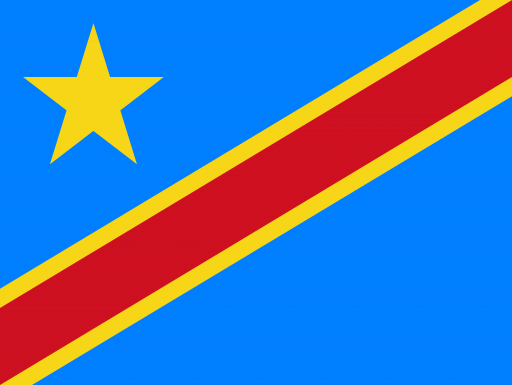
Congo

Sponsored By

Geographical location :
Large country in Central Africa, bordered by the Republic of the Congo, Central African Republic, South Sudan, Uganda, Rwanda, Burundi, Tanzania (across Lake Tanganyika), Zambia, and Angola.

Official languages: French (official)
and nationally recognized languages include Lingala, Swahili, Kikongo, Tshiluba
Population (thousands, 2024)
~ 0

(i.e. 109,276,300)

GDP per capita (2024)
~ USD 0

(nominal)

Note. In constant terms ~ USD 917.39 
(Trading Economics) per other sources

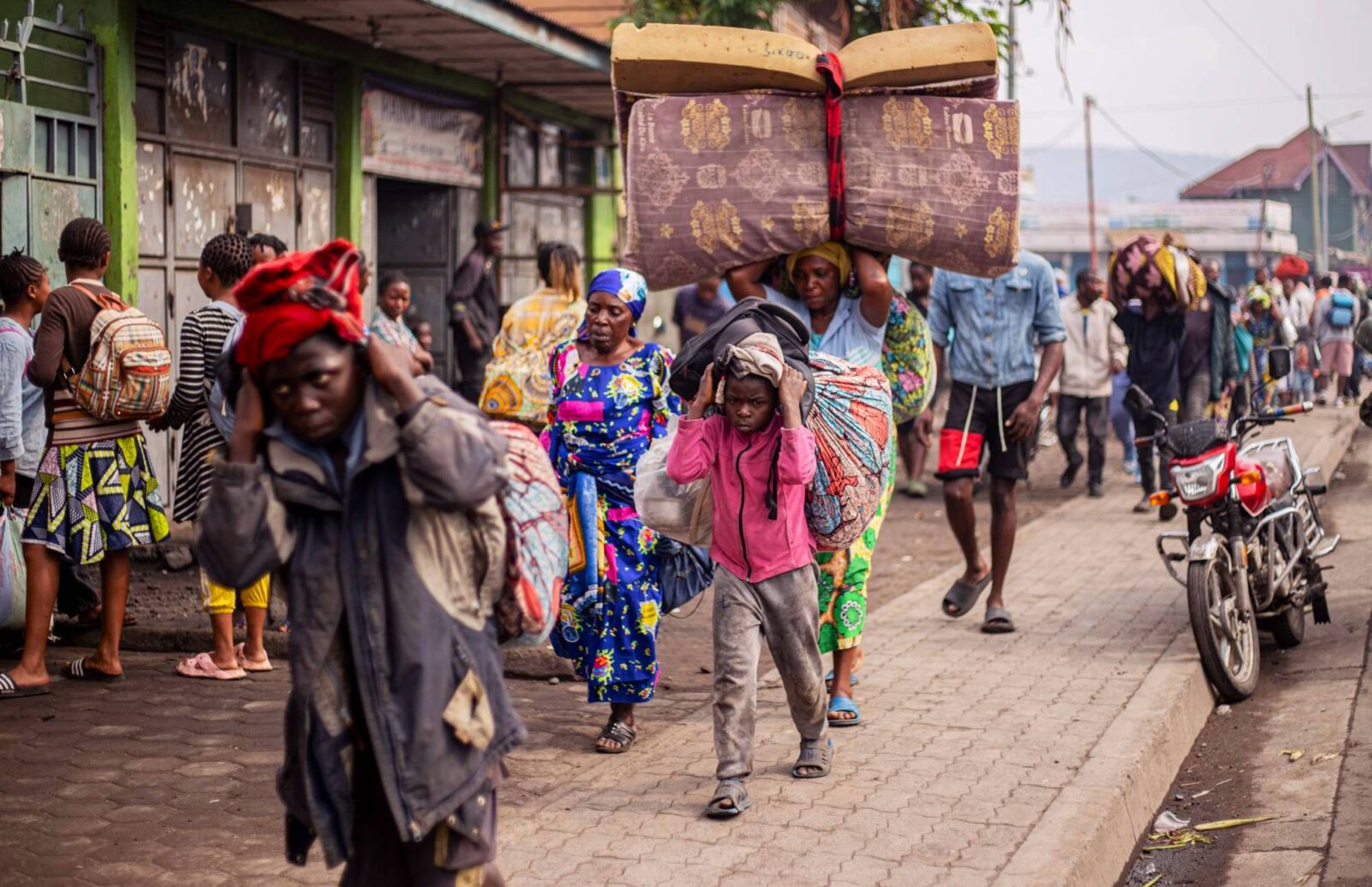
Why DR Congo is considered a “failed state”

The DRC is a paradigmatic case of resource paradox and institutional collapse: despite vast mineral wealth (e.g. cobalt, copper, diamonds), the country has failed to translate those endowments into inclusive development, due to decades of conflict, weak governance, and elite predation.

State authority is highly fragmented: large swathes of the eastern provinces remain under de facto control of armed groups, undermining central government reach and public services.

The “fragility trap” is self-reinforcing: low institutional capacity, corruption, insecurity, and low human development feed upon each other, so that even periods of economic growth fail to reduce extreme poverty or strengthen the state’s legitimacy.

Written by
FSpub

Content management, producing a series of regular analytical reports and scientific publications with practical recommendations for international organizations, donor governments, and recipient countries.

Related Articles

Senegal

Senegal is often viewed as relatively stable in West Africa, but it...

Niger

Mozambique exhibits multiple classic symptoms of state fragility: structural governance weaknesses, corruption...

Mozambique

Mozambique exhibits multiple classic symptoms of state fragility: structural governance weaknesses, corruption...

Mauritania

Mauritania displays multiple features of state fragility: concentration of power, weak institutional...

    Add information/indicate an inaccuracy!

    Collecting and verifying statistical data for this country is complicated by limited access to official statistics, frequent incomparability of methodologies across years and periods, and political restrictions on publishing information. We adhere to the principles of academic integrity and data reproducibility. If you have any clarifications, additional sources, or comments, please use the "Add information/indicate an inaccuracy" form.